台灣在宅醫療學會
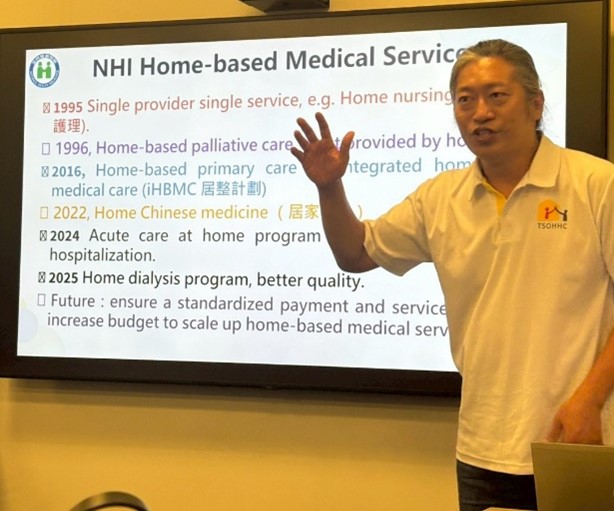
2025「#智慧科技在居家醫療與照顧中的應用與挑戰」研討會,本會名譽理事長余尚儒醫師受邀擔任講者,分享在宅醫療趨勢與生態系。
余尚儒醫師特別提到使用救護車的年齡、在宅醫療需求變化的趨勢,以及不同國家病房的功能、數量的變化趨勢。
此外,也分享AAHCM(American Acdemy Of Home Care Medicine)提出的在宅醫療生態系,約有70%包含了長照及復能領域,這樣將是台灣在宅醫療未來發展的重要方向。
感謝 #社團法人中華民國老人福祉協會的影片,也感謝余尚儒名譽理事長的分享。
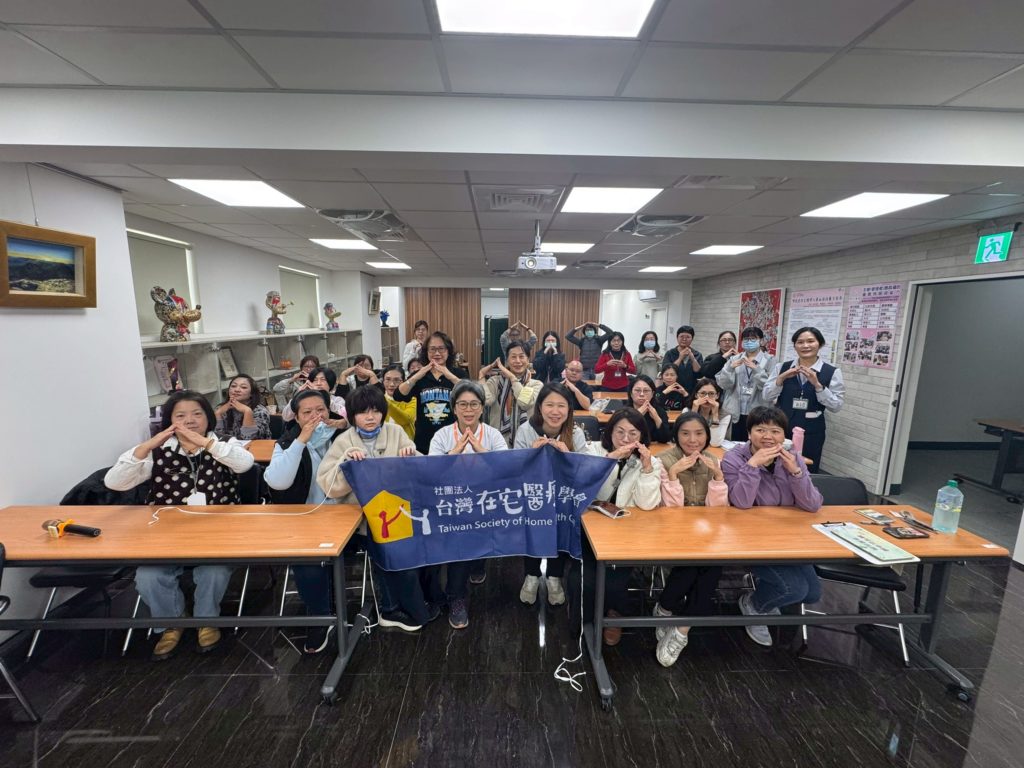
1. 國立中興大學學士後醫學系-選修-偏鄉在宅醫療 正式開課
日期: 第一堂課 114年9月12日
我們正式將在宅醫療帶入醫學院教育!
感謝中興大學學士後醫學系與台灣在宅醫療學會合作,推出 「偏鄉在宅醫療」醫學人文選修課程(2學分,10名同學參與)。
第一堂課由本會理事長 陳英詔醫師分享在宅急症照護現況,並強調台灣少數能執行在宅輸血的醫師中,有三位都是這堂課的老師,讓同學們深受啟發。
這門課程不僅聚集台灣最投入在宅醫療的一群人,也展現了學校與學會共同推動高齡社會、偏鄉醫療與在宅醫療的決心。
感謝師長與講師群的支持,讓年輕醫學生有機會親身感受在宅醫療的價值。


2.預立醫療決定推廣課程:攜手台東,點亮生命最後一哩路
(台灣在宅醫療學會/臺北市立聯合醫院 黃少甫副秘書長/管理師/社工師)
日期:114年9月11日
地點:台東縣都蘭都興教會
因自身自2016年至今便推動預立醫療的規劃與思考,這次榮幸受到「陪你回家協會」邀請,在都蘭都興教會舉辦預立醫療決定志工培訓,與里民、村長、牧師及重要當地領袖共創生命尊嚴的未來。課程從台灣高齡化現況切入,揭示平均餘命80歲中,7-8年可能面臨失能的挑戰,引發對生命末期規劃的思考。
我們分享「安寧之母」趙可式老師與《病人自主權利法》推動者楊玉欣的故事,闡述預立醫療決定書的意義與價值。透過實務案例,學習以理論、技巧等實務經驗,化解民眾對死亡議題的抗拒。也提供實用工具,鼓勵志工將這份關於自主與愛的訊息傳遍台東,讓居民與家人坦誠溝通,預先準備,實現「生死兩相安」的願景。這不僅是知識的傳遞,更是心與心的連結,為台東的每一刻注入愛與智慧。

3.第1屆日本小兒在宅醫療學會 學術大會(第1回 日本小児在宅医学会 学術集会)
日期 : 2025年9月13日~9月14日
地點 : 東京國際展示場
第一屆日本小兒在宅醫療學會大會,呂立醫師(台灣在宅醫療學 常務理事) 受邀演講。


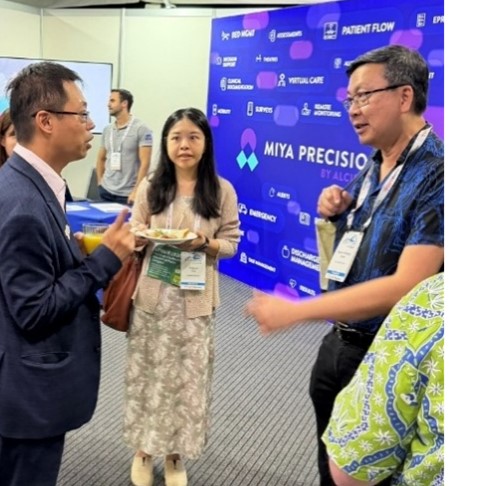
4.享譽亞洲的醫療盛會 「2025 亞洲醫院管理大會」(Hospital Management Asia 2025, HMA 2025),於 9 月 10 日至 11 日在越南胡志明市盛大登場!這場為期兩天的研討會,聚焦在照護品質與安全、病患體驗、領導力等核心議題,也會討論數位科技如何帶來醫療管理的新變革。
隨著「在宅急症照護」(Hospital at Home) 的概念逐漸受到全球重視,HMA 今年也首度將這個主題納入議程。台灣在「在宅急症照護」的快速發展,以及物聯網(IoT)設備導入的經驗備受國際關注。很榮幸本會理事 黃子華醫師 受邀演講,與來自澳洲、新加坡的專家共同交流,分享台灣如何透過社區連結與智慧科技應用的實務照護經驗。
這不僅展現了台灣在智慧醫療與在宅急症照護上的創新模式,也是將台灣的成功經驗推向國際,攜手為提升亞洲醫療照護品質而努力!


今年 Cares Expo 聚焦產業現況與未來趨勢,邀請來自 10 國的重量級講師🌏,精心打造 2 大國際論壇與 10 大專業論壇,從長照 3.0 政策到產業、從科技到健康,全面掌握照顧產業最新脈動!
💡 溫馨提醒:今年系列論壇將從展前一天 9/24(周三)就開始登場!
💪 大會論壇熱烈報名中:https://reurl.cc/WONXdZ
💪免費參觀,報名去>> https://caresexpo.com/zh-tw/visitor/login
🌏國際論壇
9/24 – 亞太照顧產業論壇(ACIF)—連結 7 國實戰經驗,聚焦 失智照顧 × 科技應用 × 創新經營管理
9/26 – 亞洲進食照顧論壇—邀請日、韓、香港專家學者分享亞洲進食照顧趨勢
🎯專業論壇
9/25
長照3.0政策發展論壇
照顧產業經營管理論壇
健康促進論壇(一):感官療癒 × 輔助醫學:啟動高齡健康的新感知
智慧輔具技術應用與服務模式新趨勢研討會
9/26
照顧科技解決方案論壇
護理專業論壇
9/27
創新藥局經營管理論壇
高齡友善住宅發展趨勢論壇
失智照顧多元解方論壇
健康促進論壇(二):專業師級齊聚,帶你掌握長者健康促進的關鍵技巧
中醫長照論壇
【ACAH在宅急症照護館】 專館位置:照顧科技展 N0801 點我看地圖

歡迎台灣在宅醫療學會會員及好朋友來到專館休息聊天話家常
Part1-話家常
《台灣在宅醫療學會-在宅醫師交流》
9/25(四) 上午10:00-13:00
理事長:維揚診所 陳英詔醫師
理事:宏美德生診所 陳蕙雅醫師
理事:義大醫院 黃繼賢主任
9/25(四) 13:00-16:00
理事:宏美德生診所 陳蕙雅醫師
都蘭診所 楊斐卿護理長
9/26(五) 10:00-13:00
理事:亞東醫院 陳家宏主任
都蘭診所 楊斐卿護理長
9/26(五) 13:00-16:00
副秘書長:愛寧診所 廖少鋒醫師
9/27(六) 10:00-13:00
旺福居家護理所/長照機構 黃雅萍所長
9/27(六) 13:00-16:00
副秘書長:衛生福利部桃園醫院 謝承恩醫師
《歡迎逗陣來顧攤,陸續增加中》
Part2:話科技:
台灣在宅醫療學會
“在宅醫療科技驗證場域相談室”
您的院所想要投入未來四年在宅醫療的科技導入嗎?
專館內有在宅合作廠商介紹說明
想要獲得後援資訊與更多連結?
邀請您來到專館攤位尋求諮詢
時間:6/25下午、6/26上午
相談人:台灣在宅醫療學會 /都蘭診所 楊斐卿護理長
請歡迎轉傳給有興趣的醫療院所及單位!!
專館聯繫人:
台灣在宅醫療學會 楊斐卿護理長
0931-870560。現場有臨時狀況,入會等相關問題可來電洽詢秘書處02-23917089。

2025台北國際照顧博覽會
▎時間:2025.09.25-09.27 (四-六)
▎地點:南港展覽一館4樓 ▎免費參觀,報名去>> https://caresexpo.com/zh-tw/visitor/login
✨ 800+攤位|450+參展商
歷屆規模最大,年度產官學研大串聯
一次看見全方位照顧產業生態系
【4大串聯 × 10大面向 × 12大論壇】
💡 展覽亮點一次掌握:
◆ 政府串聯|5大部會 × 10地方政府,推動照顧政策落地
◆ 國際串聯|13國買主 × 7國參展商,打造全球交流平台
◆ 服務串聯|15類醫事人員 × 13大專業師團隊,共同提升照顧品質
◆ 產業串聯|食衣住行育樂醫養金終10大面向,全方位照顧生態系
🎤 12大專業論壇|2場國際論壇 × 10大專業論壇,聚焦趨勢、應用與跨國合作。

一、背景說明
吞嚥障礙是居家醫療中最常見且最具挑戰性的問題之一,往往伴隨鼻胃管使用與進食決策。完善的吞嚥評估是介入照護與協助臨床決策的關鍵起點,涵蓋理學檢查、臨床觀察與客觀檢查。在在宅醫療場域中,如何有效整合跨專業團隊資源,並審慎進行鼻胃管放置等決策,都是臨床亟需面對的重要課題。本課程著重於在宅醫療場域中,培養醫療與照護人員的吞嚥照護思維,協助患者安心由口進食,舒適陪伴至生命最後一刻。透過專題講授 × 專家交流 × 臨床實境案例 × 廠商展示,本課程將帶給學員最貼近臨床實務的在宅吞嚥照護新視角:
專題演講|王亭貴教授、鄭千惠主任主講,深入解析吞嚥障礙評估方法與國際最新飲食質地標準(IDDSI)。
專家對談|邀集臨床與學會專家,探討在宅吞嚥障礙的現況與挑戰。
臨床實境案例|以「肺炎後返家安全進食」與「末期進食決策」為情境,跨專業團隊帶領學員分組討論、模擬操作與專家回饋。
廠商展示|多家國內外介護食及吞嚥照護產品展區,幫助臨床應用。
本課程期盼透過知識傳遞與跨專業合作,讓更多醫療與照護人員在實務現場中,能守護患者的進食尊嚴,讓「好好吃飯」成為生命最後的重要陪伴。
二、培訓規劃
1.主辦單位:社團法人台灣在宅醫療學會
2.合辦單位: 中山醫學大學、中山醫學大學附設醫院失智共同照護中心
3.協辦單位:台灣咀嚼吞嚥障礙醫學學會
3.培訓方式:上午研習授課,下午情境演練與討論,核發研習證明(電子檔)。
4.培訓時間:2025年11月22日
5.培訓地點:中山醫學大學誠愛樓第一演講廳 (台中市南區建國北路一段110號)
6.授課對象: 對吞嚥議題有興趣的在宅醫療人員及照護人員。
7.學分結果:申請中。醫師-品質學分,護理-專業學分,長照-專業課程學分。
8.會員價資格:團體會員單位享有2名會員價報名,本會及協辦單位亦享有會員價報名,請依照職類進行報名。
9.報名費用:會員1200元/人,非會員1800/人。
10.報名方式:一律採線上報名,請點我報名,或掃描海報QRcode。
11.培訓人數:開放120名。預定候補5~10位,如開課前有人員通知本會棄權時,主辦單位依候補順序通知完成繳費者,依序遞補。
12.棄權與遞補:棄權與遞補:成功報名者因故棄權時,以email通知秘書處回覆為依據,主辦單位依順序通知並完成繳費者安排遞補。
13.異動申請:如取消報名、憑證異動
(1)通知本會:因異動有關於退費,皆以“電子信件”通知本會,並註明:取消人員、活動名稱、聯絡方式。MAIL: [email protected]。
(2)手續費用:每次異動將酌收手續費300元,並活動結束,於行政作業時間辦理。
(3)如活動前之兩周內(11/09 23:59後)未提出取消報名,因各費用已發生,恕無法辦理退費。
(4)憑證異動申請時程:報名成功當月請提出;跨月份恕不提供辦理。
14.課程規劃:議程安排,包括專業知能、討論與實作,共8小時。
15.教育積分:全程參加本訓練課程,並完成簽到及簽退。
16.主辦單位保有最終修改、變更、活動解釋及取消本活動之權利。

一、背景說明
衛生福利部中央健康保險署113年7月1日擇優開辦「全民健康保險在宅急症照護試辦計畫」,為使本土在宅急症照護模式運行順利,本學會肩負培育專業人員之責,包括在宅急症照護之醫師、護理師、呼吸治療師、藥師等成員,辦理繼續教育訓練,規劃需求知能實務課程,經講授、案例分享及討論,核發學習證明。
高品質的在宅急症照護專業能力養成,需透過實作累積經驗。特邀請有在宅急症照護實務經驗的績優團隊,分享在宅急症照護團隊的識能、照顧信心及服務技巧,以期擴展居家醫療服務面向,降低醫院急診壅塞與住院負擔、促進在地老化。
二、訓練目標
本訓練計畫之主要目標:
1.建構醫事人員在宅感染症照護進階知能。
2.學習居家胸腹超應用及困難注射導引、居家輸液安全之實務操作。
三、培訓規劃
1.主辦單位:社團法人台灣在宅醫療學會
2.合辦單位:秀傳醫療財團法人彰濱秀傳紀念醫院
3.培訓方式:上午研習授課,下午技術課程,核發研習證明(電子檔)
4.培訓時間:2025年11月29日 08:00-17:00
5.培訓地點:彰濱秀傳紀念醫院(彰化縣鹿港鎮鹿工路6號)
6.參訓資格:
(1)醫療院所現有執行居家醫療業務之相關醫事人員為優先。
(2)願意接受繼續教育訓練之已執行在宅急症照護試辦計畫之醫事人員。
8.報名費
(1)全日場(有供午餐):會員2500元/人,非會員3000元/人
(2)上午場(無供午餐):會員1200元/人,非會員1500元/人
9.報名方式:https://neti.cc/D0m7ja5
10.團體會員:每個團體會員單位享有2位以會員價報名
11.培訓人數:全日場開放40名,上午場開放5名。預定候補5~10位,如開課前有人員通知本會棄權時,主辦單位依候補順序通知完成繳費者,依序遞補。
12.棄權與遞補:棄權與遞補:成功報名者因故棄權時,以email通知秘書處回覆為依據,主辦單位依順序通知並完成繳費者安排遞補。
13.異動申請:如取消報名、憑證異動
(1)請以「電子郵件」通知本會,信件內容須包含以下資訊:
異動事由、姓名、活動名稱、聯絡方式。Mail: [email protected]
(2)手續費與退費程序:每次異動將酌收手續費300元;退費將於活動結束後辦理。
(3)如活動前之兩周內(11/14 23:59後)未提出取消報名,因各費用已發生,恕無法辦理退費。
(4)憑證異動申請時程:報名成功當月請提出;跨月份恕不提供辦理。
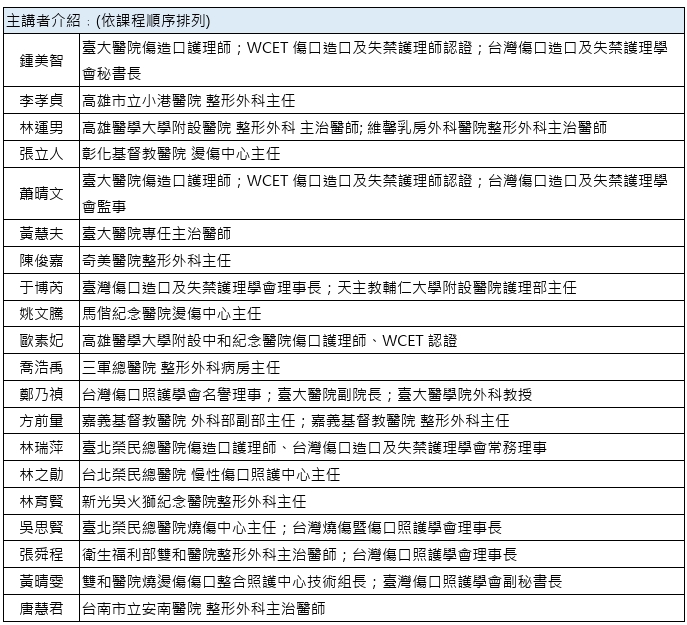
14.課程規劃:議程安排,包括專業知能、技術研習,共8小時,如表一。
15.教育積分:全程參加本訓練課程,並完成簽到及簽退。
16.主辦單位保有最終修改、變更、活動解釋及取消本活動之權利。


親愛的在宅醫療學會會員大家好!
2025年5月由金名出版社發行,由余尚儒、許甯傑、蔡宏斌 等人共同主編,將在宅超音波實務內容精心撰寫而成重要的在宅實務書籍,此書發行後,經會員熱切迴響想團購此書,但大家位居各地,若採傳統團購方式要分送書籍較為不易。
因此學會特別爭取,只要您是在宅學會會員,即日起至114年8月31日,填寫本表單(請點我進入表單),經審核為「有效會員」者,我們即可寄送專屬優惠折購碼至您信箱,接著,在煩請會員自行上購書官網訂購,即可享有優惠8折折扣與書籍宅配服務。但因需配送,所以抱歉會員仍須自行負擔運費,故建議各地區域在宅夥伴可以相糾在地好友一起購書喔!
折購服務:輸入折扣碼享8折優惠(原價950元/8折約760元)
也再次感謝本次出版商,金名圖書有限公司的支持與肯定!
台灣在宅醫療學會 秘書處 敬上
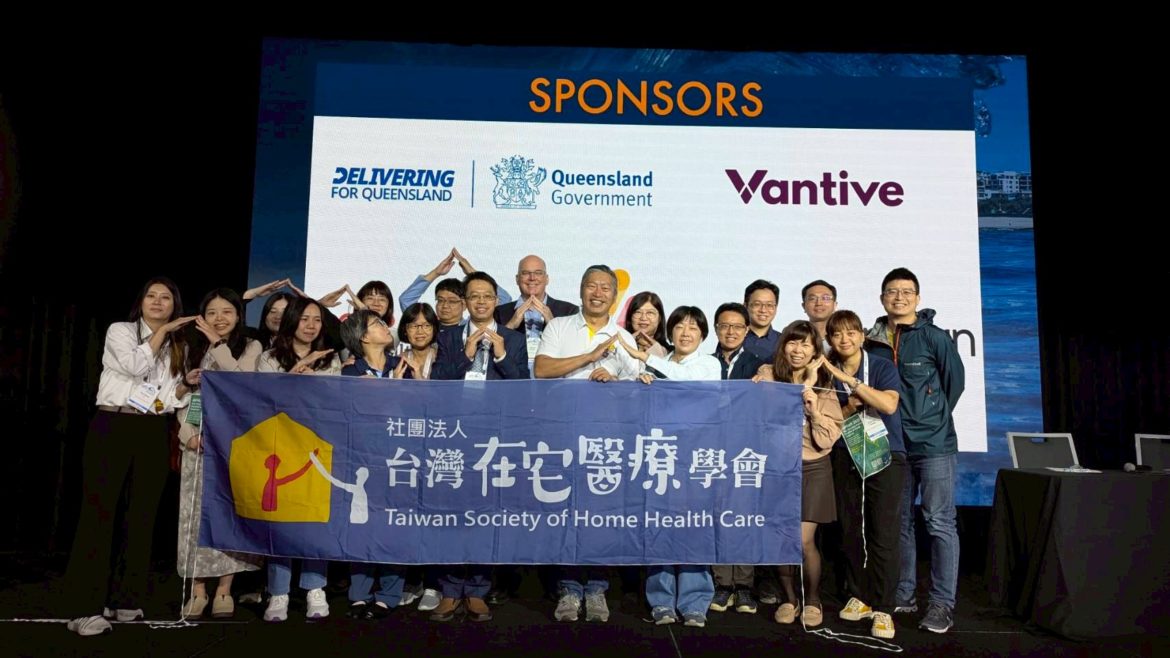
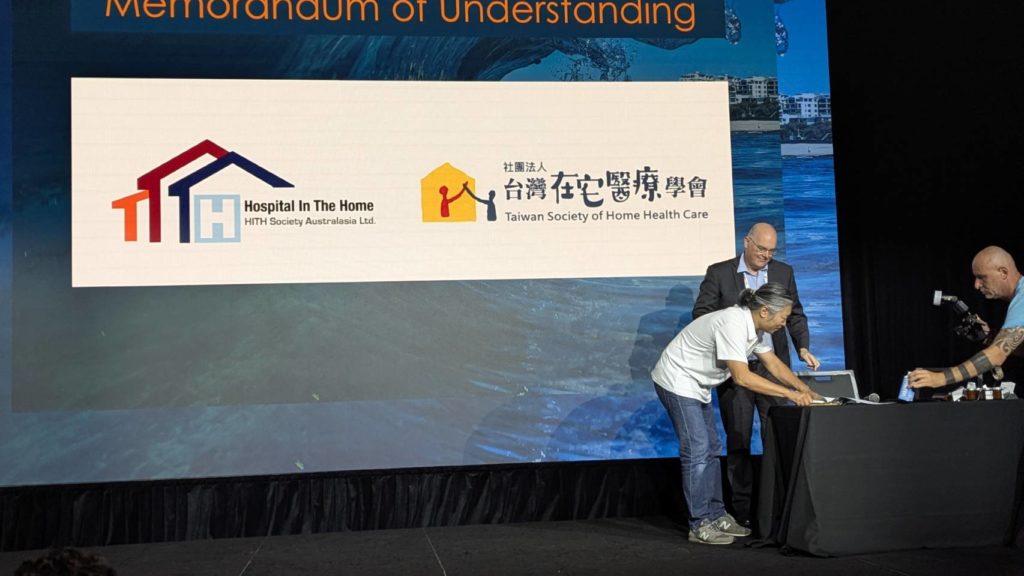
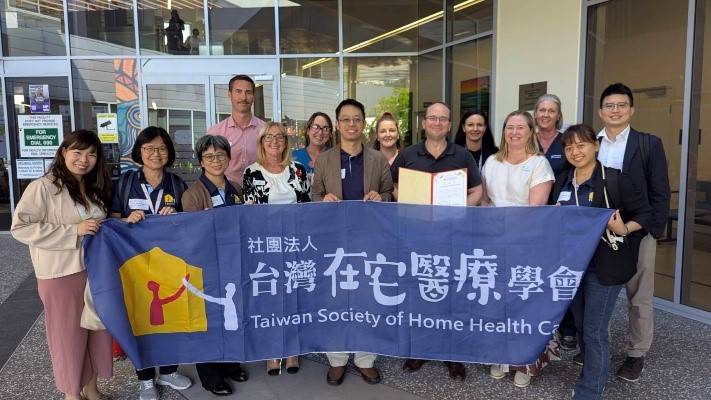
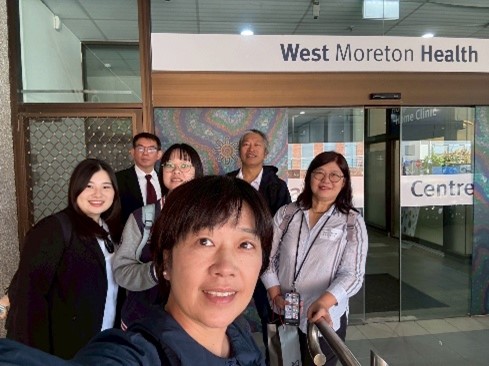
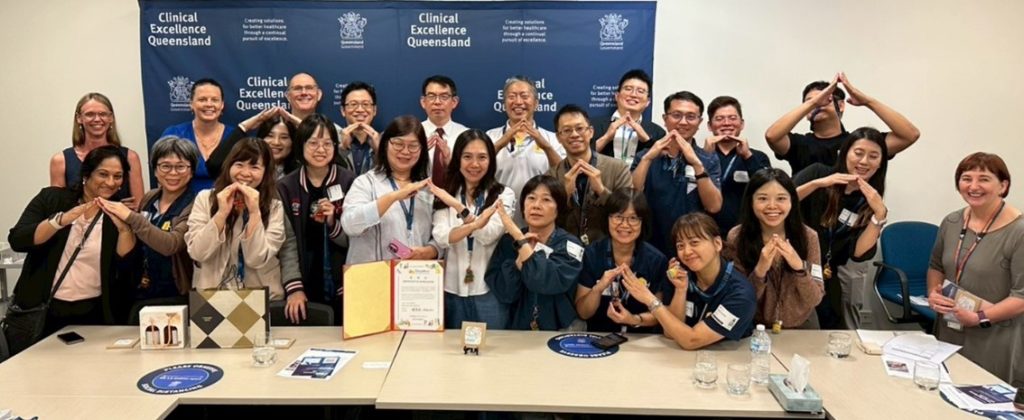
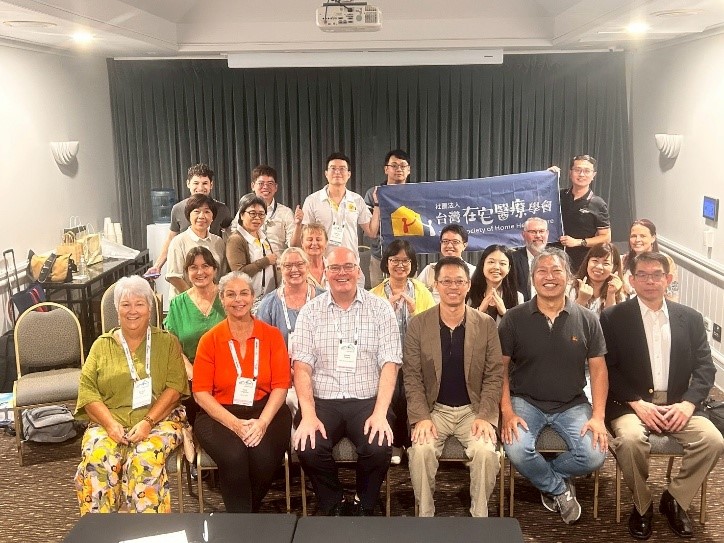
為促進學會與國際在宅急症醫療(Hospital in the Home, HITH)之姐妹會團體交流與合作,我們將組團參加將於 2025 年 11 月 12–14 日於澳洲 Sunshine Coast 舉行之第 17 屆 HITH 年會。本次行程除參與正式會議外,亦規劃布里斯本地區之 home visit 觀摩與 Sunshine Coast 當地文化體驗。
年會海報投稿 (截止日期 7/25) https://hithsocietyconference.com.au/call-for-abstracts/
📅 時間:2025年11月9日(日)至11月16日(日)
📍 地點:澳洲 Sunshine Coast(含布里斯本 home visit)
🎯 行程包含:國際年會參與、Home Visits 及機構觀摩、當地文化與景點參訪
💰 預估費用:NT$62,000–90,000(依住宿等級與機票選擇,會議註冊費另計)
📝 報名截止:2025年8月31日或額滿為止
📩 報名表單:https://forms.gle/qhKc4oKizyHGiwZTA
🔹 歡迎有興趣的人員踴躍參加,共同拓展國際視野!
🗓️預定行程
11/9(日)(或更早)– 晚上從桃園機場出發,搭乘直飛或轉機航班前往布里斯本
11/10(一)– 抵達布里斯本,自由活動
11/11(二)– 安排多組家訪,2-3人小組跟訪,及機構參觀
11/12(三)– 11/14(五)– 前往 Sunshine Coast參加 HITH 年會
11/15 (六) –自由活動
11/16(日)– 早餐後退房,前往布里斯本機場,下午航班返回台灣
為慶祝台灣在宅急症照護(Acute Care at Home, ACAH)推行一週年,並共同擘劃居家靜脈抗生素治療(Outpatient Parenteral Antimicrobial Therapy, OPAT)的未來藍圖,由社團法人台灣在宅醫療學會與奇美醫療財團法人奇美醫院聯合主辦的「在宅急症照護一週年:ACAH 與 OPAT 的對話」活動,於2025年7月2日(星期三)下午1時至5時50分在台北晶華酒店3樓B廳隆重舉行。本次活動匯聚海內外重量級專家,包括英國帝國理工學院Mark Gilchrist教授,以及台灣政府及臨床醫療及藥學界代表,共同探討面對超高齡社會挑戰下,台灣醫療照護政策的創新與實務經驗,旨在提升醫療韌性、優化資源分配,並確保病人用藥安全與品質。
本次盛會的召開,正值台灣醫療體系因應超高齡社會帶來的嚴峻挑戰之際。預計2025年台灣將邁入超高齡社會,65歲以上人口比例已超過20%且持續快速增加。隨之而來的是慢性病及癌症盛行率上升,需長期醫療照護的需求激增。加上新科技加速醫療支出成長,以及少子女化、高齡化結構衝擊健保收入,使得健保財務長期面臨壓力。面對這些挑戰,台灣醫療體系迫切需要更有效率及節制的資源分配機制,以確保醫療品質,並實現以人為中心、全生命歷程的照護服務。在此背景下,在宅急症照護(ACAH)與門診靜脈抗生素治療(OPAT)的推動,成為優化醫療服務、緩解醫院壓力的關鍵策略。
在宅急症照護(ACAH)一週年:卓越成效與願景
自2024年7月1日啟動的在宅急症照護試辦計畫(ACAH),至今已屆滿一週年。這項服務旨在提供「住院的替代服務」,增加醫療體系韌性,並減少居家失能或機構住民因急症往返醫院的負擔。奇美醫院湯宏仁副院長在會中分享了醫院推動OPAT與在宅住院(HaH)結合的經驗。奇美醫院在推動在宅急症照護與門診靜脈抗生素治療(OPAT)方面展現了豐富的實踐經驗。自2025年2月設立OPAT收治流程以來,截至同年5月底已服務39位病人。這些病人主要來自門診(62%),急診(23%)及早期出院(15%)。顯示OPAT有效分流了住院需求。收案對象以泌尿道感染(54%)為大宗,且半數病人年齡超過65歲,主要由感染科(49%)和泌尿科(20%)轉介。
奇美醫院的OPAT治療成效良好,有6位病人因發燒不適或軟組織感染部位疼痛需轉住院,且病人普遍對不用住院感到滿意。此外,醫院積極導入彈性輸注幫浦(Infusor),這項技術有助於減少護理師居家照護時間、增加抗生素選擇性並降低抗藥性風險。儘管在推動過程中,仍面臨靜脈炎或漏針風險、假日注射不便及人力配置等挑戰,奇美醫院仍規劃未來將持續推動居家OPAT(H-OPAT)服務,並優化資訊系統與AI輔助,以持續提升醫療效率與病人照護品質。
根據健保署最新數據,截至2025年5月31日,ACAH計畫已核定174個團隊、789家醫療院所參與。在約近3000例的收案個案中,75歲以上的高齡長者佔70%,且78%的個案巴氏量表分數小於20分(完全依賴),顯示主要服務對象為行動不便、失能者。
ACAH計畫的成效斐然。收案適應症以尿路感染(49%)最多,其次為肺炎(37%)和軟組織感染(14%)。平均照護天數顯著低於全國平均,例如肺炎平均7.9天,尿路感染和軟組織感染均為6.2天,整體平均僅6.9天,遠低於全國平均住院天數12天。這項計畫推算每日可減少至少106床的醫院佔床數,有效緩解了急診壅塞及病床壓力。在經濟效益方面,ACAH個案平均醫療費用約為3萬點,相較於相同條件下的住院個案(約6.9萬點),有效節省了健保費用。此外,個案結案後3天或14天內再轉往急診的比例僅5%,證明了計畫在確保照護品質方面的成功。
門診靜脈抗生素治療(OPAT)新制上路:緩解急診壅塞,提升醫療效率
為進一步緩解急診壅塞與病床壓力,健保署積極推動「門診靜脈抗生素治療方案(OPAT)」,並預計於2025年8月1日正式上路。健保署黃珮珊參議指出,這項新制將允許過去需要住院接受靜脈抗生素治療但病情穩定、行動力良好的患者,在門診進行治療。適用的感染症包括肺炎、尿路感染、軟組織感染、骨髓炎、心內膜炎及術後感染等。
OPAT將採按日計費的「包裹給付」方式,每日一次治療處置費為1031點,每日兩次以上為1234點,並另給予個案管理費500點。每個療程以5天為限。健保署估計,每年約20萬感染症病患住院,若其中10%(約2萬人)能轉為門診治療,將顯著減輕住院壓力,並為患者帶來更大的生活時間彈性。雖然門診處置費預計增加約1億點健保支出,但相較於住院治療可節省約3億點,預期能為健保節省整體支出。
國際經驗與全球展望:藥物安定性與抗藥性挑戰
英國帝國理工學院Mark Gilchrist教授在會議中分享了英國OPAT的發展經驗與全球合作的視野。英國的OPAT服務自1995年發展至今,已服務大量患者,並建立了標準化的指導方針。然而,OPAT在國際上面臨的重要挑戰之一是藥物安定性數據的缺乏。許多窄譜抗生素缺乏經過驗證和發表的安定性數據,限制了其在非住院環境下的廣泛使用。
Gilchrist教授強調,患者安全取決於藥物安定性證據,以確保達到藥物動力學/藥效學(PK/PD)目標,並了解降解產物以避免潛在毒性。英國感染化學治療學會(BSAC)自2009年起投入資金,制定標準化檢測藥物安定性方法,並推動開放實驗數據,以支持推廣OPAT服務中抗感染藥物和設備的應用。他指出,全球監管機構對於安定性測試指南存在差異,除了英國NHS的Yellow Cover Document(YCD)外,大多數主要監管機構沒有針對門診環境的具體指南,這帶來了溫度、物理安定性、降解產物評估等方面的挑戰和不確定性。
面對日益嚴峻的**抗微生物藥物抗藥性(AMR)**問題,OPAT的推動也扮演了重要角色。透過持續輸注等方式,可以更好地遵守抗菌藥物管理原則,使用窄譜藥物,並最大程度地發揮OPAT的效益。Gilchrist教授呼籲,需要建立一個全球性的實踐社群,以生成和分享普遍可接受的數據,促進穩定性測試框架的全球協調。他同時提及了新型給藥裝置(如預充雙腔裝置DCDs)和治療藥物監測(TDM)的潛力,以進一步提升OPAT的效率和安全性。
居家醫師視角:在宅急症照護24小時連續輸注抗生素之經驗分享
台灣在宅醫療學會理事陳蕙雅醫師,也在會議中分享了台中社區居家醫療照護的寶貴經驗。案例主角是位近80歲、臥床失智、多重管路(尿管、氣切、鼻胃管)的男性,因肺炎及尿路感染面臨住院治療需求。面對其複雜病況及反覆住院史,團隊決定在住宿式長照機構中提供「在宅急症照護」。初期雖嘗試口服及間歇性靜脈注射抗生素,但考量護理人力與頻繁給藥的挑戰,團隊創新導入彈性輸注幫浦(EIP/Infusor)進行24小時連續輸注抗生素治療。此舉不僅成功在社區完成急性期治療,顯著減少住院次數,更凸顯了藥品安定性、流速控制及無菌配置在居家環境下的重要考量。此案例充分展現了醫師、護理師、藥師、呼吸治療師等多專業團隊的緊密合作,並經家庭會議共同決策 的效益,為台灣推動在宅急症照護提供了寶貴的實踐經驗。
社區藥師視角:OPAT實務挑戰與藥品安定性管理
在「社區藥局在宅急症抗生素連續輸注實務與挑戰」議題中,美術藥局總藥師游佩雯分享了社區藥局在團隊執行抗生素連續輸注方面的寶貴經驗及所面臨的挑戰。她指出,社區藥局在抗生素針劑的採購上常遭遇藥廠不願出貨等阻礙,且藥物操作在社區環境中難度高,例如護理師需「從家到家」移動,交通成本大,與醫院「從病房到病房」的模式截然不同。
游藥師透過一個80歲男性多重管路、吸入性肺炎個案的實際案例,詳細說明了從經驗性治療到精準治療的抗生素選擇、劑量調整及給藥方式優化過程。該個案從最初的口服抗生素治療無效轉為靜脈注射,並最終因護理師人力限制,改採彈性輸注幫浦(Elastomeric Infusion Pump, EIP)進行24小時連續輸注。
此案例突顯了藥品安定性管理在社區居家治療中的關鍵挑戰。游藥師強調,「室溫安定性不等於臨床實務安定性」。在台灣室內溫度常高於25°C的情況下,藥品安定性可能受影響,文獻中常基於25°C的安定性數據與實際臨床使用環境存在落差。她建議,台灣應重新建立本土的抗生素安定性數據,透過HPLC等檢測,以確保病人用藥安全及藥效。此外,EIP的流速受溫度影響大,流速控制器需妥善貼合病人皮膚,且藥品配製環境的無菌性與配製後的儲存(冷藏後回溫)都需嚴格把關。目前,抗生素連續輸注液調製尚未納入健保特殊輸注處方藥品服務費,這也影響了EIP在社區的推廣與臨床執行。
未來展望與持續努力
「在宅急症照護一週年:ACAH 與 OPAT 的對話」活動的成功舉辦,不僅回顧了過去一年ACAH的卓越成效,更為未來OPAT的發展指明了方向。展望未來,台灣在宅醫療學會與奇美醫院將持續推動更多居家OPAT(H-OPAT)模式,並引進Infuser等新設備,提升居家靜脈抗生素治療的便利性與多樣性。同時,將持續擴大ACAH/OPAT的適應症,並參考國際經驗優化政策。
面對醫療人力不足(特別是護理人力)的挑戰,Infuser的應用可望減少護理人員的負擔,提升人力效率。此外,加強病人教育與追蹤、建立標準化操作流程(SOP)、提升團隊訓練與信心、以及推動資訊系統與AI輔助,將是確保OPAT品質與病人安全的關鍵。透過多功能團隊的合作和政府的政策支持,台灣的醫療照護體系正朝向更有效率、以病人為中心、更具韌性的方向邁進,共同為超高齡社會的健康福祉努力。
主辦單位:社團法人台灣在宅醫療學會
合辦單位:奇美醫療財團法人奇美醫院
Immediate Release: In-Home News Flash
One-Year Anniversary of Taiwan’s Acute Care at Home: A Dialogue on ACAH and OPAT Ushers in a New Chapter for Healthcare in a Super-Aged Society
[Location] Taipei, [July 2, 2025]
To celebrate the one-year anniversary of the implementation of Taiwan’s Acute Care at Home (ACAH) initiative and to jointly map out the future blueprint for Outpatient Parenteral Antimicrobial Therapy (OPAT), the Taiwan Society of Home Health Care and Chi Mei Medical Center hosted “One-Year Anniversary of Acute Care at Home: A Dialogue on ACAH and OPAT.” This event took place on Wednesday, July 2, 2025, and brought together government officials and clinical experts from Taiwan and abroad, including Professor Mark Gilchrist from Imperial College London. Discussions focused on innovative healthcare policies and practical experiences addressing the challenges of a super-aged society, aiming to enhance healthcare resilience, optimize resource allocation, and ensure medication safety and quality.
This grand event coincided with the critical challenges posed to Taiwan’s healthcare system by the super-aged society. By 2025, Taiwan is projected to enter the super-aged society stage, with over 20% of the proportion aged 65 and above and is rapidly increasing. This trend brings a surge in the prevalence of chronic diseases and cancer, significantly increasing the demand for long-term care. Coupled with the rapid growth of medical expenses driven by new technologies, as well as the financial pressures on the National Health Insurance (NHI) system caused by low birth rates and an aging population, Taiwan’s healthcare system urgently requires more efficient and restrained mechanisms for resource allocation to ensure healthcare quality and achieve patient-centered, lifelong care services. Against this backdrop, the promotion of Acute Care at Home (ACAH) and Outpatient Parenteral Antimicrobial Therapy (OPAT) has become a key strategy for optimizing healthcare services and alleviating hospital pressures.
One Year of Acute Care at Home (ACAH): Achievements and Vision
The pilot program for Acute Care at Home (ACAH), launched on July 1, 2024, has now reached its one-year milestone. This service aims to provide an “alternative to hospitalization,” enhancing the resilience of the healthcare system and reducing the burden of frequent hospital visits for acute care among homebound or institutionalized residents. Dr. Hung-Jen Tang, Vice Superintendent of Chi Mei Medical Center, shared the hospital’s experience in integrating OPAT with Hospital at Home (HaH). Chi Mei has demonstrated extensive practical experience in promoting Acute Care at Home and OPAT. Since the establishment of OPAT admission procedures in February 2025, the hospital has served 39 patients by the end of May 2025. The majority of these patients were referred from outpatient clinics (62%) and emergency departments (23%), indicating that OPAT effectively diverted hospitalization needs. Most cases involved urinary tract infections (54%), with half of the patients aged over 65, primarily referred by the departments of infectious diseases (49%) and urology (20%).
Chi Meis OPAT treatment outcomes have been favorable, with only 15% of patients requiring hospitalization due to fever or discomfort, and patients generally expressing satisfaction with avoiding hospital stays. Additionally, the hospital has actively introduced elastomeric infusion pumps (Infusors), which help reduce nursing time for home care, increase the range of antibiotic options, and lower the risk of antibiotic resistance. Despite it still faces challenges such as the risks of phlebitis or needle dislodgement, inconvenience of injections on holidays, and staffing issues, Chi Mei plans to continue promoting Home OPAT (H-OPAT) services and optimize information systems and AI assistance to further enhance medical efficiency and patient care quality.
According to the latest data from the NHI Administration, as of May 31, 2025, the ACAH program has approved 174 teams and 789 medical institutions to participate. Among nearly 3,000 cases serviced, 70% involved elderly patients aged 75 and above, and 78% had Barthel Index scores below 20 (completely dependent), indicating that the primary service recipients are individuals with mobility impairments or disabilities.
The ACAH program has achieved remarkable results. The most common indications for admission were urinary tract infections (49%), followed by pneumonia (37%) and soft tissue infections (14%). The average length of care was significantly lower than the national average, with pneumonia averaging 7.9 days, urinary tract infections and soft tissue infections both averaging 6.2 days, and an overall average of only 6.9 days, far below the national average hospital stay of 12 days. This program is estimated to reduce hospital bed occupancy by at least 106 beds daily, effectively alleviating emergency department congestion and hospital bed pressures. Economically, the average medical cost per ACAH case was approximately 30,000 points, compared to 69,000 points for similar inpatient cases, significantly saving NHI expenditures. Additionally, the proportion of cases returning to the emergency department within three or 14 days after discharge was only 5%, demonstrating the program’s success in ensuring care quality.
New OPAT Initiative: Alleviating Emergency Congestion and Enhancing Medical Efficiency
To further alleviate emergency department congestion and hospital bed pressures, the NHI Administration is actively promoting the “Outpatient Parenteral Antimicrobial Therapy (OPAT) Program,” scheduled to launch on August 1, 2025. Deputy Director Huang, Pei-Shan of the NHI Administration stated that this new initiative will allow patients who previously required hospitalization for intravenous antibiotic treatment but are clinically stable and mobile to receive treatment in outpatient settings. Applicable infections include pneumonia, urinary tract infections, soft tissue infections, osteomyelitis, endocarditis, and postoperative infections etc.
The OPAT program will adopt a “bundled payment” system, with a daily treatment fee of 1,031 points for once-daily treatments and 1,234 points for treatments twice or more per day, along with a case management fee of 500 points. Each treatment course will be limited to five days. The NHI Administration estimates that approximately 200,000 infection cases require hospitalization annually, and if 10% (about 20,000 patients) can transition to outpatient treatment, it will significantly reduce hospitalization pressures and provide patients with greater flexibility in their daily lives. While outpatient treatment fees are expected to increase by approximately 100 million points annually, this is expected to save about 300 million points compared to inpatient treatment, leading to overall savings for the NHI system.
International Experience and Global Outlook: Drug Stability and Antimicrobial Resistance Challenges
Professor Mark Gilchrist from Imperial College London shared the development of OPAT in the UK and its global collaborative perspective. Since its inception in 1995, the UK’s OPAT services have served numerous patients and established standardized guidelines. However, one of the major international challenges for OPAT is the lack of validated drug stability data. Many narrow-spectrum antibiotics lack published stability data, limiting their widespread use in non-hospital settings.
Professor Gilchrist emphasized that patient safety depends on evidence of drug stability to ensure pharmacokinetic/pharmacodynamic (PK/PD) targets are met and to understand degradation products to avoid potential toxicity. The British Society for Antimicrobial Chemotherapy (BSAC) has been funding efforts since 2009 to develop standardized methods for testing drug stability and promoting open experimental data to support the application of anti-microbial and devices in OPAT services. He noted that global regulatory agencies differ in their guidelines for stability testing. Except for the UK NHS’s Yellow Cover Document (YCD), most major regulatory agencies lack specific guidelines for outpatient settings, posing challenges and uncertainties regarding temperature, physical stability, and degradation product assessments.
Amid the growing crisis of antimicrobial resistance (AMR), OPAT also plays a crucial role. Continuous infusion methods can better adhere to antimicrobial stewardship principles, use narrow-spectrum drugs, and maximize the benefits of OPAT. Professor Gilchrist called for the establishment of a global practice community to generate and share universally acceptable data, facilitating the global coordination of stability testing frameworks. He also highlighted the potential of new delivery devices (e.g., prefilled dual-chamber devices, DCDs) and therapeutic drug monitoring (TDM) to further enhance OPAT’s efficiency and safety.
Perspectives from Home Physicians: Experience with 24-Hour Continuous Antibiotic Infusion in Acute Home Care
Dr. Hui-Ya Chen, a board director of the Taiwan Society of Home Health Care, shared valuable experiences in Taichung communities. She shared the experience of a case involved a nearly 80-year-old bedridden male with dementia and multiple tubes (urinary catheter, tracheostomy, nasogastric tube) who required hospitalization for pneumonia and urinary tract infections. Given his complex condition and history of repeated hospitalizations, the team decided to provide “acute care at home” in a residential long-term care facility. Initially attempting oral and intermittent intravenous antibiotics, the team innovatively introduced flexible infusion pumps (EIP/Infusors) for 24-hour continuous antibiotic infusion due to nursing workload and frequent dosing challenges. This approach successfully completed acute-phase treatment in the community, significantly reducing hospitalizations. The case highlighted the importance of drug stability, flow rate control, and aseptic preparation in home environments. It also demonstrated the benefits of close collaboration among physicians, Nurses, pharmacists, respiratory therapists, and family decision-making.
Perspectives from Community Pharmacists: Practical Challenges of OPAT and Drug Stability Management
In the session “Practical Challenges of Continuous Antibiotic Infusion in Community Pharmacies,” Pharmacist You, Pei-Wen of Meishu Pharmacy shared her experiences and challenges in executing continuous antibiotic infusion in a community setting. She emphasized obstacles such as supplier’ reluctance to provide injectable antibiotics, and the operational difficulties in community settings she faced. Moreover, unlike the “from ward-to-ward” model in hospitals, nurses must travel “from house to house,” incurring high transportation costs.
Through sharing the experience of caring a case involving an 80-year-old male with aspiration pneumonia, she detailed the process of optimizing antibiotic selection, dosage adjustments, and administration methods from empirical to precision therapy. The case transitioned from oral antibiotics to intravenous injections and eventually to 24-hour continuous infusion using an Elastomeric Infusion Pump (EIP) due to nursing staffing constraints.
This case underscored the critical challenges of drug stability management in community home treatment. Pharmacist You stressed that “room temperature stability does not equate to clinical practice stability.” In Taiwan, where indoor temperatures often exceed 25°C, drug stability may be affected, and the stability data based on 25°C in literature may not align with real-world clinical settings. She recommended establishing localized antibiotic stability data in Taiwan using techniques like HPLC to ensure medication safety and efficacy. Moreover, EIP flow rates are highly temperature-dependent, requiring proper adherence of flow controllers to patients’ skin, and strict control of aseptic preparation environments and storage (e.g., refrigeration and warming post-preparation). Currently, the preparation of continuous antibiotic infusion solutions is not covered under NHI’s special infusion prescription service fees, which affects the promotion and clinical implementation of EIP in the community.
Future Outlook and Continued Efforts
The successful hosting of the “One-Year Anniversary of ACAH: A Dialogue on ACAH and OPAT” not only reviewed the outstanding achievements of ACAH over the past year but also pointed the way forward for OPAT’s development. Looking ahead, the Taiwan Society of Home Health Care and Chi Mei Medical Ceneter will continue promoting more Home OPAT (H-OPAT) models, introducing new equipment like Infusers to enhance the convenience and diversity of home intravenous antibiotic treatments. At the same time, they will expand the indications for ACAH/OPAT and optimize policies by referencing international experiences.
In addressing the challenge of healthcare workforce shortages, particularly nursing staff, the application of Infusers is expected to reduce nursing workload and improve workforce efficiency. Additionally, strengthening patient education and follow-up, establishing standardized operating procedures (SOPs), enhancing team training and confidence, and advancing information systems and AI assistance will be critical to ensuring OPAT quality and patient safety. Through the collaboration of multidisciplinary teams and government policy support, Taiwan’s healthcare system is moving toward greater efficiency, patient-centered care, and resilience, striving together for the health and well-being of a super-aged society.
Organizers: Taiwan Society of Home Health Care
Co-Organizers: Chi Mei Medical Center